

Introduction
In today's fast-paced world, where uninterrupted power supply is critical for various industries and businesses, the reliability of power systems is of paramount importance. Power outages can result in significant financial losses, disruption of services, and potential safety hazards. To mitigate the risks associated with power failures, many organizations rely on backup power sources such as diesel generators. Diesel generators have long been a popular choice for providing emergency power, thanks to their reliability, efficiency, and versatility. In this article, we will explore the role of diesel generators in enhancing system reliability, their key features, benefits, and considerations for optimal performance.
Overview of Diesel Generators
Diesel generators are a type of backup power system that utilizes a diesel engine to generate electricity. These generators are commonly used in various applications, including industrial facilities, healthcare institutions, data centers, telecommunications infrastructure, and residential buildings. Diesel generators are available in a wide range of sizes, from small portable units suitable for residential use to large industrial-grade generators capable of powering entire facilities.
Key Features of Diesel Generators
1. Reliability: One of the primary reasons why diesel generators are favored for backup power is their reliability. Diesel engines are known for their robust construction, durability, and long service life. They are capable of operating continuously for extended periods without a significant drop in performance, making them ideal for emergency power applications.
2. Fuel Efficiency: Diesel generators are more fuel-efficient compared to gasoline generators, as diesel fuel contains more energy per unit volume. This results in lower fuel consumption and operating costs, making diesel generators a cost-effective choice for long-duration power outages.
3. Quick Start-Up Time: Diesel generators are designed to start quickly and provide power within seconds of a power outage. This rapid response time is crucial for ensuring uninterrupted power supply to critical systems and equipment.
4. Scalability: Diesel generators are available in a wide range of power capacities, allowing organizations to select a generator size that meets their specific power requirements. Whether powering a single building or an entire industrial complex, diesel generators can be tailored to suit the needs of the application.
Benefits of Diesel Generators for System Reliability
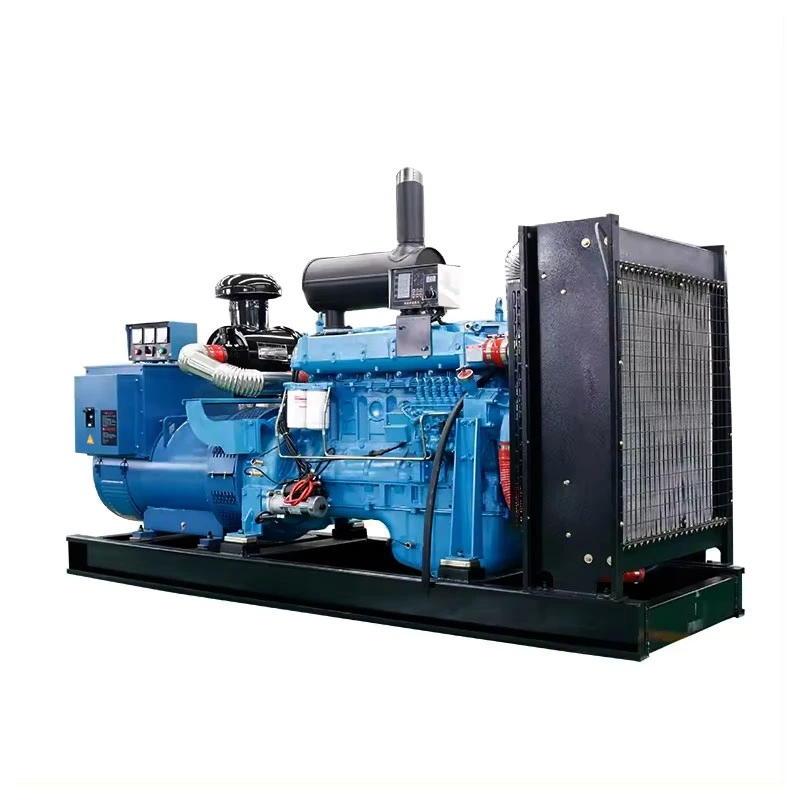
1. Portable diesel generator for outdoor storage : The primary function of diesel generators is to provide emergency power during outages or grid failures. By maintaining a reliable backup power source, organizations can ensure continuity of operations, protect critical equipment, and avoid costly downtime.
2. Load Management: Diesel generators can be integrated with automatic transfer switches (ATS) and load management systems to monitor power demand and automatically start the generator when grid power is lost. This seamless transition from utility power to generator power helps maintain system reliability and prevents disruptions.
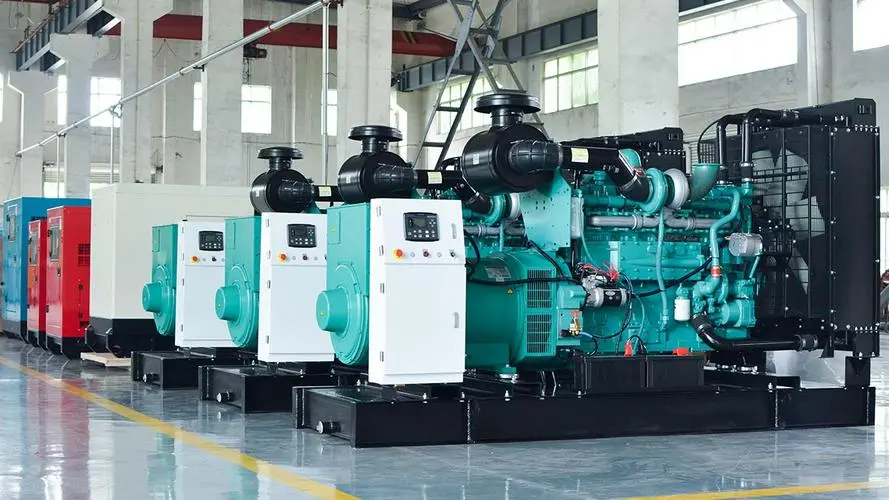
3. Redundancy: In mission-critical applications where downtime is not an option, redundant diesel generators can be installed to provide additional layers of backup power. By having multiple generators in parallel or in a redundant configuration, organizations can enhance system reliability and ensure uninterrupted power supply.
4. Remote Monitoring and Control: Modern diesel generators are equipped with advanced monitoring and control systems that allow remote operation, monitoring of performance metrics, and predictive maintenance. By leveraging these capabilities, organizations can proactively manage their backup power systems and address potential issues before they escalate.
Considerations for Optimal Performance
While diesel generators offer numerous benefits for enhancing system reliability, proper maintenance and operational practices are essential to ensure optimal performance. Some key considerations include:
1. Regular Maintenance: Diesel generators require regular maintenance to keep them in peak operating condition. This includes routine inspections, oil and filter changes, fuel system maintenance, and testing of critical components such as batteries and cooling systems.
2. Fuel Quality: The quality of diesel fuel used in generators can significantly impact their performance and reliability. It is essential to use clean, high-quality diesel fuel that meets the manufacturer's specifications to prevent fuel-related issues such as clogging and engine damage.
3. Environmental Considerations: Diesel generators produce emissions that can have environmental implications. It is important to comply with local regulations regarding emissions control and implement measures such as exhaust aftertreatment systems to minimize the environmental impact of generator operation.
4. Training and Safety: Proper training of personnel responsible for operating and maintaining diesel generators is crucial for ensuring safe and efficient operation. Training programs should cover generator operation, safety protocols, emergency procedures, and troubleshooting techniques.
Conclusion
Diesel generators play a vital role in enhancing system reliability by providing reliable backup power during outages and emergencies. Their key features, including reliability, fuel efficiency, quick start-up time, and scalability, make them a popular choice for a wide range of applications. By leveraging the benefits of diesel generators and implementing best practices for maintenance and operation, organizations can safeguard their critical systems and equipment against the risks associated with power failures. As technology continues to evolve, diesel generators are expected to remain a cornerstone of reliable backup power solutions for years to come.